March 5, 2026
About the Author: S & C Music Center

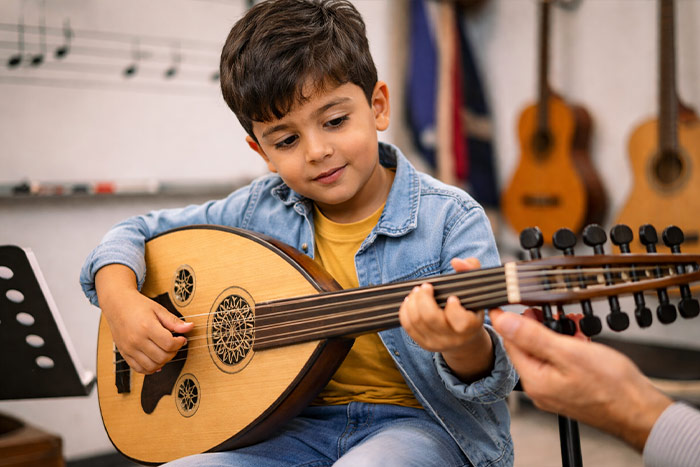
Parents often look for activities that support their child’s academic development as well as their personal growth.
Music lessons are frequently seen as a creative pastime, something enjoyable after school.
Yet research increasingly suggests that learning music can support skills that also benefit children in the classroom.
From improved memory to stronger concentration, music training encourages habits and cognitive abilities that translate into better learning at school.
While music itself is a beautiful form of expression, the skills children develop through learning an instrument can positively influence many other areas of their education.

Music and the Developing Brain
Learning music is a complex activity that engages several parts of the brain simultaneously.
When children play an instrument or sing, they are required to listen carefully, remember patterns, coordinate movement, and interpret musical structure.
Research has shown that musical training can strengthen cognitive abilities such as memory, attention, and executive functions, which are essential skills for learning and problem-solving in school.
Executive functions are sometimes described as the brain’s “management system”.
They help children organise information, plan tasks, and maintain focus — abilities that are closely connected to academic success.
In other words, learning music does not simply develop musical ability; it trains the brain to process information more efficiently.
Memory Development
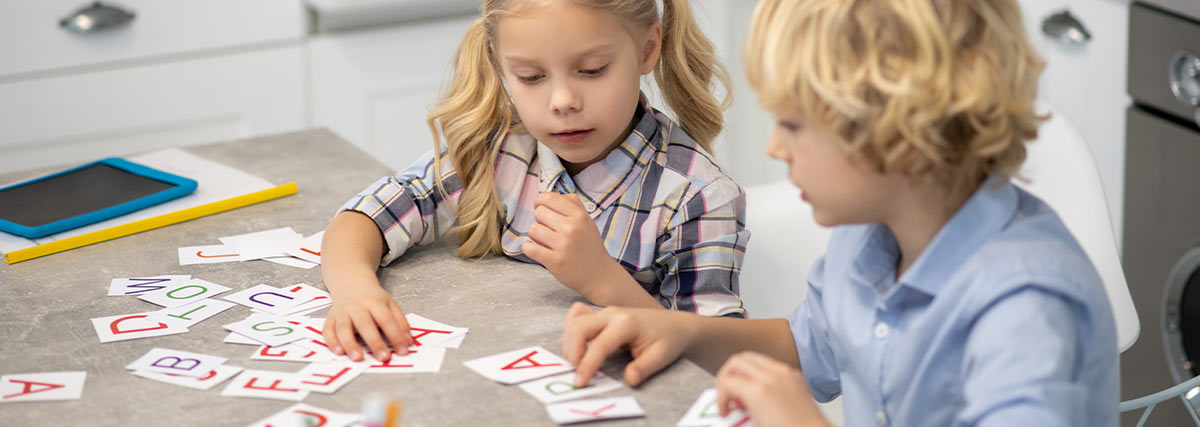
One of the most widely observed benefits of music training is improved memory.
When children practise an instrument, they constantly engage their memory.
They learn to remember notes, rhythms, finger positions, and musical patterns.
Over time, this repeated process strengthens their ability to store and recall information.
Studies have shown that children who receive musical training often demonstrate stronger verbal memory skills, which can support language learning and reading development.
This ability to retain information is extremely valuable in school environments where children must remember vocabulary, instructions, and concepts across many subjects.

Listening Skills
Music education also develops attentive listening, a skill that is surprisingly important for academic learning.
In music lessons, children must listen carefully to pitch, rhythm, and tone.
They learn to distinguish subtle differences in sound and respond accordingly.
This level of auditory awareness encourages deeper listening habits.
These listening skills can transfer into the classroom, where children need to follow instructions, understand explanations, and engage actively with teachers and classmates.
Strong listening skills can therefore support better communication, comprehension, and participation in school activities.

Focus and Discipline
Perhaps one of the most valuable lessons music teaches is discipline.
Learning an instrument requires patience and regular practise.
Children quickly discover that improvement comes through consistency rather than instant results.
This encourages persistence and long-term focus — qualities that are essential for academic success.
Research has suggested that children involved in music education often develop greater attention and dedication, which can positively influence their approach to schoolwork.
In a world filled with distractions, the ability to concentrate on a task and work steadily towards improvement is an invaluable skill.

Confidence and Motivation
Another important factor is confidence.
As children learn new pieces and overcome musical challenges, they begin to recognise their ability to improve through effort.
Performing in front of others, even in small settings, also helps children build resilience and self-belief.
These experiences encourage them to approach challenges — whether musical or academic — with a more confident mindset.
When children feel capable and motivated, they are more likely to engage positively with their learning at school.

A Balanced Approach to Learning
It is important to remember that music alone does not guarantee academic success.
However, the skills developed through music — focus, listening, memory, and discipline — can strongly complement a child’s broader education.
Music also provides something equally important: joy.
For many children, music becomes a space where creativity and structure meet.
It allows them to explore expression while developing valuable learning habits that support them both inside and outside the classroom.
Conclusion
Music education offers far more than artistic development.
It strengthens cognitive abilities, encourages discipline, and builds confidence, all qualities that can support a child’s academic journey.
For parents seeking an activity that combines creativity with meaningful developmental benefits, music lessons can be a remarkably valuable choice.
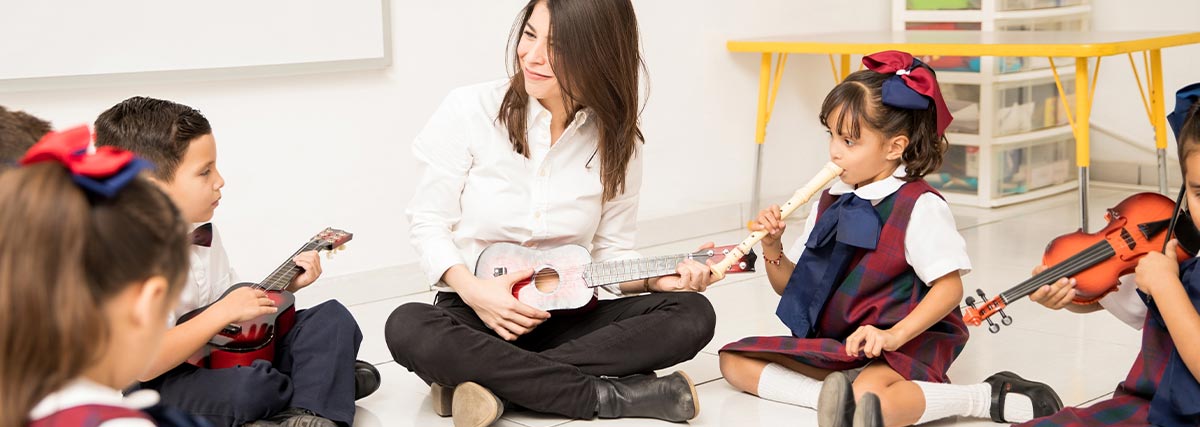
At S&C Music Junior, our lessons are designed to help children explore music in a supportive and inspiring environment, while developing skills that benefit them both musically and academically.
Because sometimes, the path to stronger school performance begins not with a textbook — but with a melody.

RELATED POSTS