November 24, 2025
About the Author: S & C Music Center

You don’t need a conservatory, a grand piano, or a stack of music theory books to notice a child’s musical talent. Sometimes, all it takes is a pair of curious ears and a bit of observation.
Maybe your little one turns every dinner spoon into a drumstick, sings made-up songs in the shower, or insists that the radio volume must be at “exactly 17” because that’s the perfect sound level.
Believe it or not, these might be early signs that music already runs through their veins.
Here’s how to spot those musical sparks — even before your child has ever held an instrument.
1. Watch the Groove Before the Grades
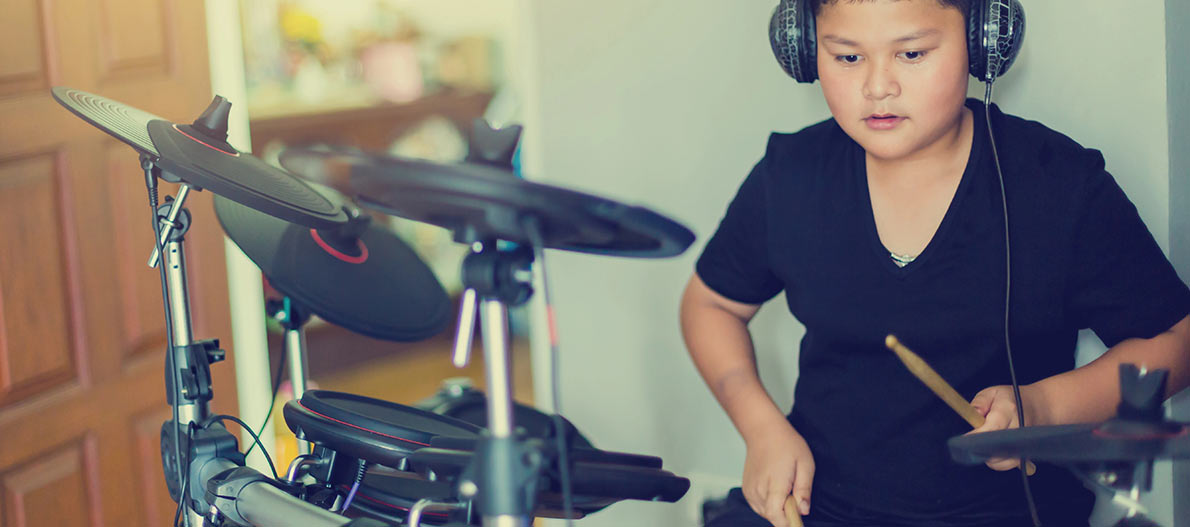
Before you start thinking of piano exams and guitar lessons, look for the groove.
Does your child bounce up and down when a song comes on?
Do they start clapping — sometimes too early but always with enthusiasm?
That’s rhythm trying to say hello.
You don’t need to turn it into a test.
Just notice how their body reacts.
If they’re constantly in motion when the beat drops (even during toothpaste time), rhythm might be their secret superpower.

2. Listen for the Humming Habit
Some children hum without realising it. In the car. While drawing. During maths homework.
If your child can’t stop humming, that’s not distraction — that’s instinct.
It means they’re storing melodies in their head and replaying them for fun.
A child who remembers tunes quickly or sings in tune naturally may already have a strong ear for pitch.
Next time you catch them humming away, resist the urge to hush them. You might just be listening to the soundtrack of their future.
3. Turn Playtime Into “Jam Time”
Forget about expensive instruments for now.
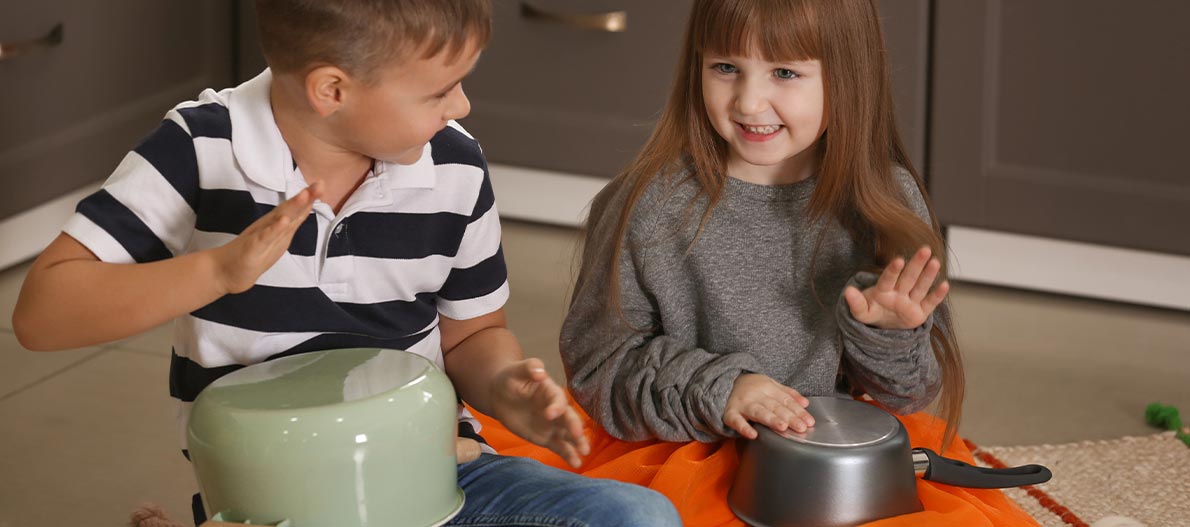
All you need are a few musical toys — or even better, a kitchen drawer full of spoons, pots, and plastic bowls.
Let them explore sounds. The goal isn’t to make a “performance.” It’s to watch what happens when they experiment.
Do they start creating patterns?
Repeat certain rhythms?
Or maybe they prefer softer sounds over loud ones? Those little choices reveal a lot about their musical preferences — and it’s fun to watch.
4. See How They Feel the Music
Music is pure emotion.
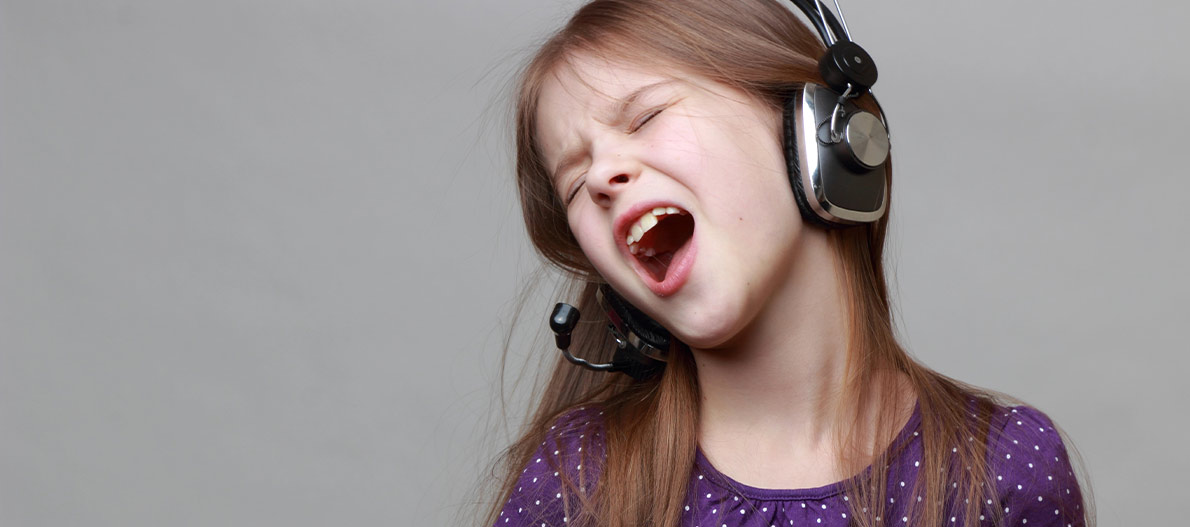
Some kids are deeply affected by it.
You’ll know when your child suddenly goes quiet listening to a sad melody or bursts into a grin when the beat kicks in.
That emotional reaction isn’t random — it’s sensitivity to sound.
Ask questions like, “What does this song remind you of?” or “If this song were a colour, what colour would it be?”
Their answers might surprise you — and show how naturally they connect with music on a deeper level.

5. Take a Peek at Tech
We live in a world where you can measure almost anything — and yes, that includes musical aptitude.
Websites like Talents.Kids use fun, AI-powered games to assess rhythm, tone, and creativity.
Think of it as a musical IQ test that feels more like playtime.
The results won’t predict whether your child is the next Mozart, but they can give you a good idea of where their strengths lie — maybe rhythm, maybe melody, or maybe just a fearless love for sound.
6. Ask a Pro (They’ve Seen It All)
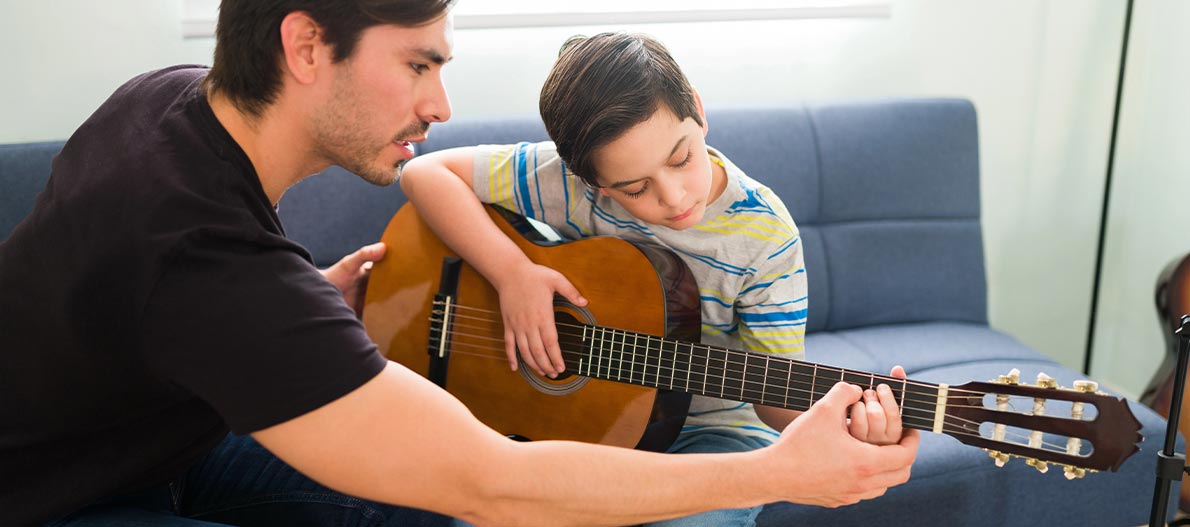
Music teachers have a sixth sense for spotting potential.
A few minutes of clapping, singing, or even watching posture can tell them a lot.
If your child can echo a short rhythm or match a note on the first try, that’s a great sign.
And if they can’t? That’s fine too — music is a skill that grows with exposure, not a magic talent you either have or don’t.
A good teacher will know how to turn curiosity into confidence, one fun lesson at a time.

7. Create a Musical Home (Without Driving Everyone Crazy)
You don’t need a full orchestra at home.
A “musical household” just means a home where music is welcome.
Play background tunes during breakfast.
Have family dance-offs.
Sing badly but proudly together in the car.
Watch concerts online.
When children see that music brings joy, laughter, and togetherness, they start associating it with happiness — not pressure.
That’s how lifelong passion begins.
8. Let Them Wander (Musically Speaking)
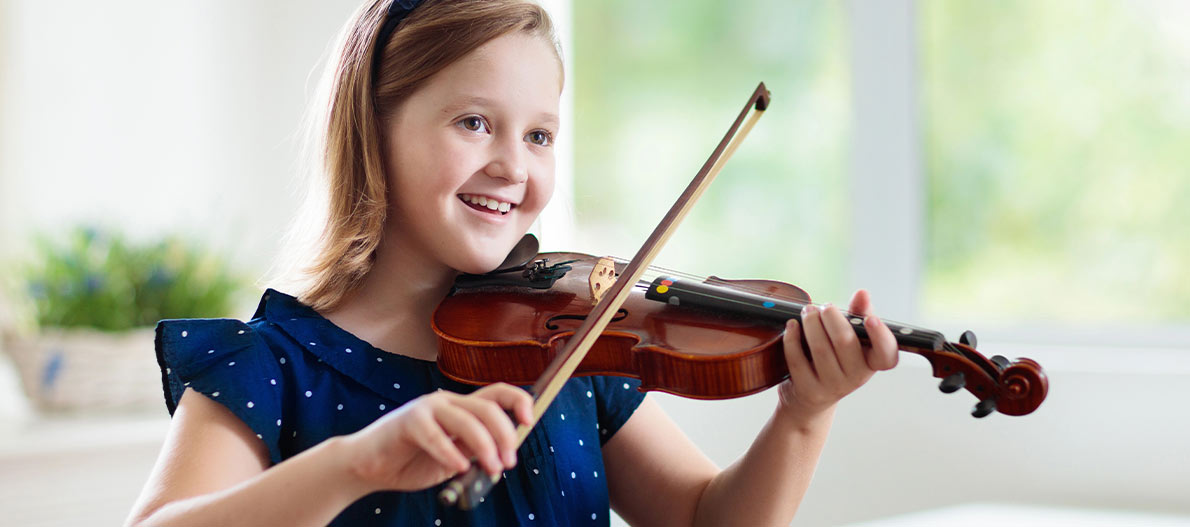
Children don’t always pick their favourite instrument right away.
One week it’s the guitar; next week it’s the drums; then suddenly they’re into singing. That’s perfectly normal.
Encourage exploration. Maybe they’ll stick with one thing, maybe not. But through trial and error, they’ll find what feels natural.
The key is to let them have fun — no deadlines, no expectations, just discovery.
That’s where the real learning happens.
9. Don’t Fall for the Comparison Trap
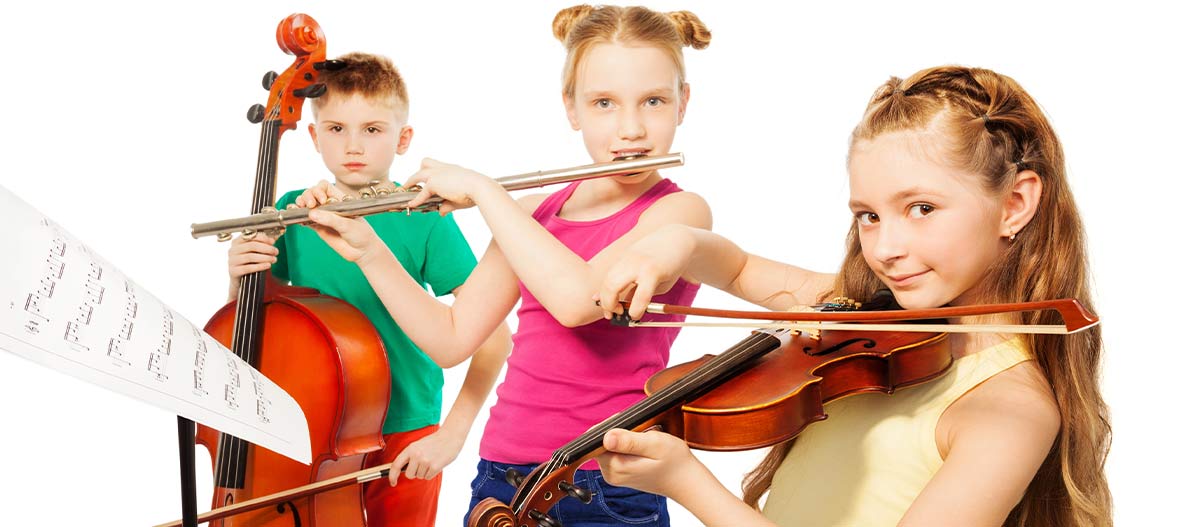
We’ve all seen those viral videos of four-year-old violin prodigies. It’s easy to wonder if your child should be doing the same.
But here’s the truth: every child develops at their own tempo.
Some start young, others find their rhythm later.
What matters is that they enjoy the journey.
Music isn’t a race — it’s a lifelong adventure. Focus on progress, not perfection.
10. Celebrate Every Tiny Tune
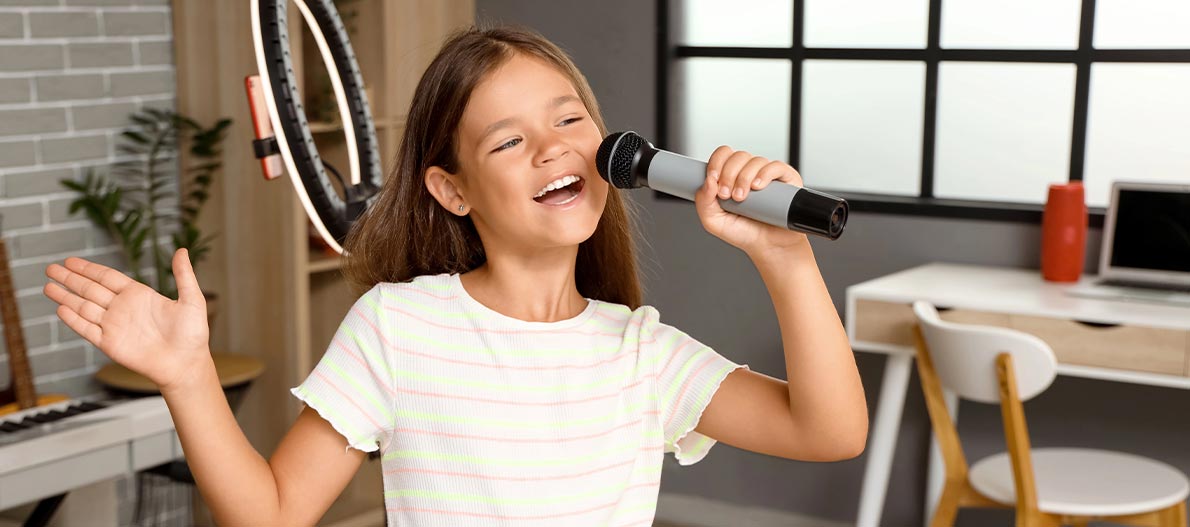
When your child plays their first three notes correctly or sings a little louder than before, celebrate it!
These early wins are huge confidence boosters. Praise the effort, not just the result. The more you encourage, the more they’ll want to keep going.
After all, every great musician started with a single wobbly note — and a parent who believed in them.
A Final Note (Pun Intended)
Spotting musical potential isn’t about fancy tests or strict routines.
It’s about watching, listening, and noticing the spark when music enters your child’s world.
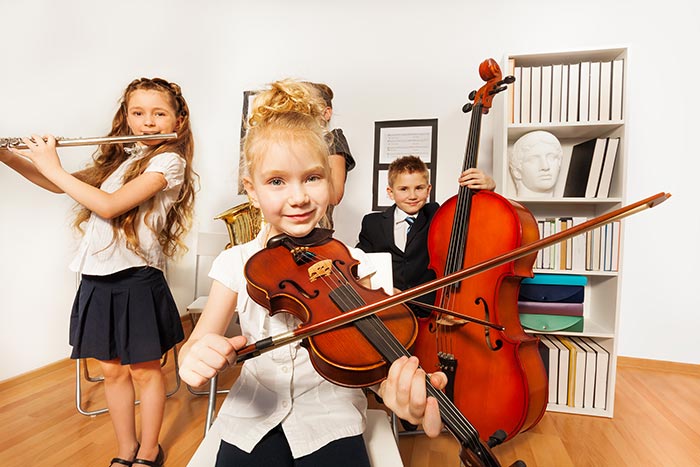
It might show up as a silly song, a clumsy dance, or a deep fascination with the sound of a violin.
Whatever it is, pay attention — because that’s how lifelong passions begin.
Give your child space to explore, make noise, and feel the rhythm of life. One day, you might realise those chaotic kitchen jam sessions were actually the start of something extraordinary.
Related articles:

RELATED POSTS