February 15, 2026
About the Author: S & C Music Center

As parents and educators, we often seek instruments that inspire, engage and develop a child’s musical sensibilities.
While guitar and piano are familiar choices, one instrument that offers a uniquely rich cultural and musical experience is the oud.
Revered across the Middle East, North Africa and beyond, the oud is not just an instrument — it is a vessel of heritage, expression and joy.
At S&C Music, we believe that the oud can be a beautiful and highly rewarding first instrument for children.
In this article, we explore why the oud is a fantastic choice for young learners, how it supports musical development, and practical ways to begin the journey.
1. What Makes the Oud Special?
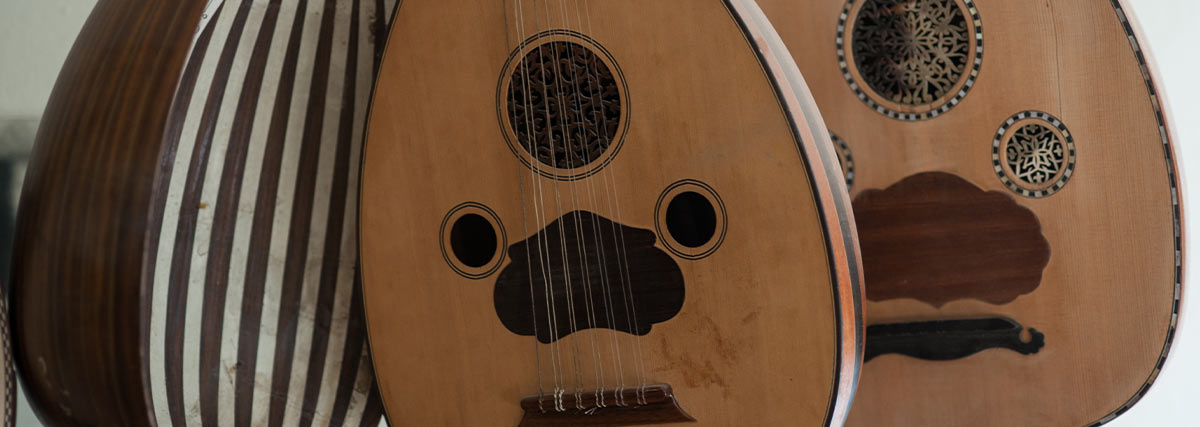
The oud is a pear-shaped, fretless string instrument known for its warm, expressive tone and versatility across many genres.
Its history stretches back centuries, and its sound character is deeply intertwined with traditional and contemporary music alike.
Unlike many Western instruments, the oud’s lack of frets encourages a child to listen more intently, feel the pitches with their fingers, and develop nuanced control of tone — skills that lay the foundation for advanced musicianship.

2. Cognitive and Emotional Benefits for Children
Learning the oud offers far more than the ability to play notes. It nurtures:
Active listening: The fretless fingerboard trains ears to distinguish subtle pitch differences and microtonal variations.
Coordination and motor skills: Left–right hand independence is developed through chord shapes and melodic playing.
Cultural appreciation: Familiarity with Middle Eastern rhythms and scales fosters a deeper understanding of global music traditions.
Moreover, the process of learning an instrument builds confidence, patience and discipline — qualities that extend well beyond music lessons.

3. Why the Oud Can Be Ideal as a First Instrument
To many parents, the oud might seem complex at first glance.
Yet it offers several advantages as a first instrument for children:
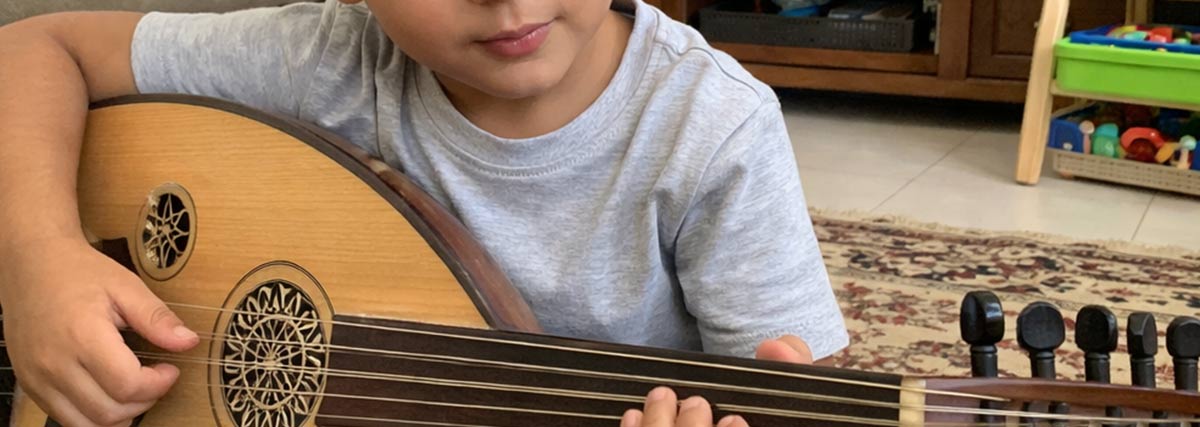
Accessible technique: The oud’s short neck and rounded body are comfortable for small hands.
Early lessons can focus on simple melody lines and rhythm rather than complex chord shapes.
Immediate musical reward: Even basic strumming or plucked phrases produce rich sound — encouraging progress and inspiring confidence.
Foundational skills: Children who begin with the oud often find that skills such as listening, rhythm and finger control transfer easily to other instruments later.

4. Introducing Children to the Oud — A Step-by-Step Approach
Here are ways to gently and effectively introduce the oud to young learners:
Start with rhythm and pulse: Before exploring scales or theory, help the child internalise rhythm through clapping or playing simple rhythmic patterns.
Explore the sound world: Let children experiment freely with the strings. Curiosity builds familiarity and reduces initial anxiety.
Begin with simple songs: Traditional folk tunes or simple nursery melodies adapted for the oud provide an accessible and enjoyable starting point.
Incorporate listening activities: Encouraging attentive listening to recordings strengthens the child’s musical ear and deepens their connection to the instrument.

5. Finding the Right Teacher and Learning Environment
A skilled and patient teacher can make all the difference. Look for an instructor who:
- Has experience teaching children
- Balances technique with play-based learning
- Encourages musical expression and curiosity
- Adapts lessons to the child’s pace and interests
Group sessions, workshops and ensemble opportunities also enrich the learning experience and enhance social engagement.
6. Supporting Practise at Home
Regular, short practise sessions are more effective than infrequent, lengthy ones. Parents can support their child by:
- Setting a comfortable and distraction-free practise space
- Encouraging listening to oud music regularly
- Celebrating small achievements
- Making practise a positive routine rather than a chore
Remember, patience and encouragement are central to a child’s musical progress.

7. The Joy of Making Music Together
Introducing a child to the oud is not simply about learning an instrument — it is about sharing a journey of discovery.
The oud invites children to listen deeply, play freely, and connect emotionally with sound.
It fosters musicianship, cultural awareness and a lifelong love of music.
At S&C Music, we are passionate about guiding young learners through this journey with care, commitment and joy.
Whether your child is picking up an instrument for the first time, or already showing musical curiosity, the oud offers a rich and rewarding path.

RELATED POSTS