October 31, 2026
About the Author: S&C Music

Some children show an interest in music long before they begin formal lessons. They may sing spontaneously, clap along to their favourite songs or move naturally to a musical rhythm.
These everyday behaviours can offer early clues about a child’s developing musical abilities.
However, musical talent is not simply about playing an instrument or singing beautifully.
It can also involve a sense of rhythm, musical memory, listening skills and creativity.
Children develop these abilities at different ages and in different ways, so no single behaviour should be considered definite proof of natural talent.
Understanding the 10 early signs your child may have natural musical talent can help you recognise their musical interests and encourage their development in a positive and supportive way.

1. Your Child Naturally Keeps Time With Music
Rhythm is one of the fundamental elements of music, and some children begin responding to it naturally from an early age.
When they hear music, they may clap their hands, tap their feet or move their bodies in time with the beat.
These spontaneous reactions can suggest a growing awareness of musical rhythm.
However, there is a difference between moving excitedly to music and being able to follow a steady beat.
Keeping time involves listening, timing and physical coordination, all of which are important skills in music.
Young children may not always follow a rhythm accurately, and this is perfectly normal.
Their sense of timing can develop gradually through experience and practice.
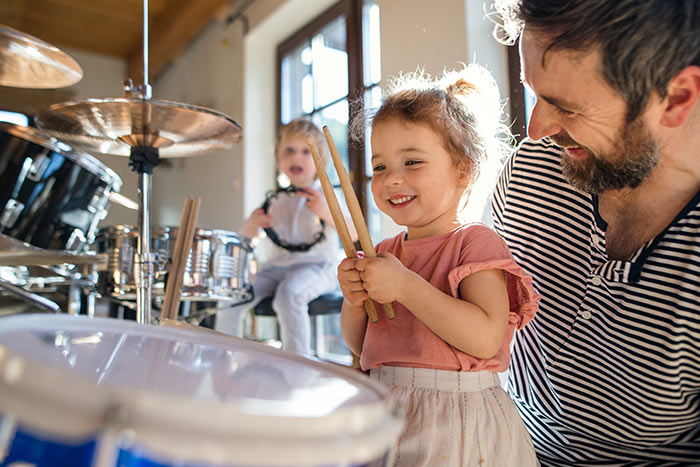
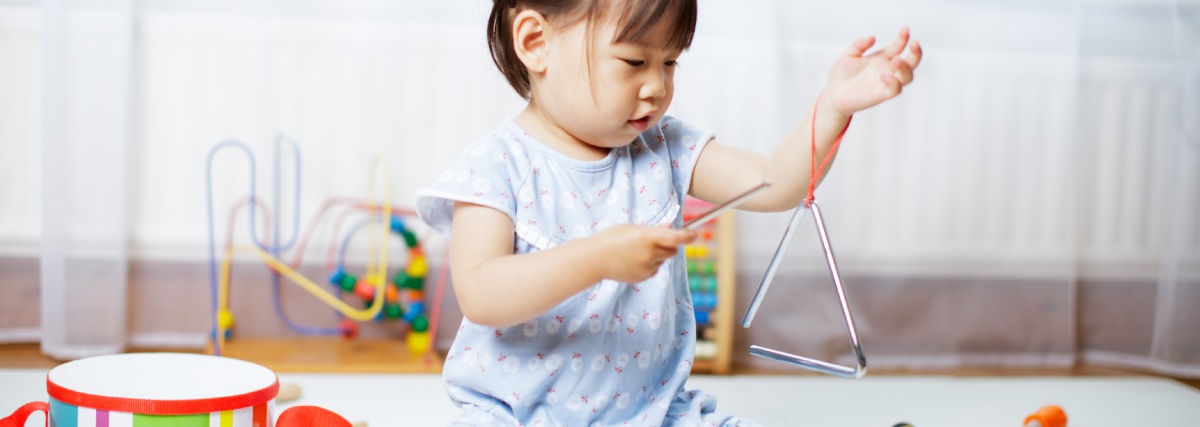
Parents can encourage rhythmic awareness through simple activities such as clapping games, dancing together or experimenting with basic percussion instruments.
These enjoyable experiences allow children to explore rhythm without the pressure of getting everything right.
2. Your Child Remembers Melodies After Hearing Them
Musical memory is the ability to recognise, remember and recall musical sounds and patterns.
Some children can hum a melody after hearing it only a few times, while others may recognise a familiar song from its opening notes.
Interestingly, remembering song lyrics and remembering a melody involve different aspects of memory.
A child might remember every word of a song but struggle to reproduce its tune accurately.
Another child may be able to hum the melody without remembering any of the words.
Musical memory involves recognising patterns of pitch, rhythm and the order in which notes occur.
Parents can help develop this ability by singing familiar songs together, pausing occasionally and encouraging their child to complete the melody.
It is also worth distinguishing musical memory from perfect pitch.
Perfect pitch, also known as absolute pitch, is the ability to identify or produce a particular musical note without relying on another note as a reference.
Remembering a familiar melody does not necessarily indicate perfect pitch, but it can still be a promising sign of developing musical listening and memory skills.

3. Your Child Enjoys Singing Without Being Encouraged
A child who enjoys singing without being asked may be showing a genuine interest in musical expression.
You might notice them humming while drawing, singing during playtime or making up little tunes as they go about their day.
Some children even experiment with different pitches, vocal sounds and melodies, discovering what their voices can do.
These spontaneous musical activities allow them to explore sound and express themselves creatively.
Of course, young children do not always sing perfectly in tune.
Accurate pitch control develops gradually as they gain experience and learn to coordinate their hearing and voice.
Rather than correcting every wrong note, parents can encourage their child’s enthusiasm by listening, joining in and allowing them to enjoy singing freely.
At this stage, the pleasure of making music is often far more valuable than technical perfection.

4. Your Child Notices Small Differences in Musical Sounds
Some children are particularly attentive to subtle differences in musical sounds.
They may notice when a familiar melody is played incorrectly or recognise changes in pitch, rhythm or tone.
For example, if you play a familiar tune on the piano and accidentally change one note, your child might immediately notice that something sounds different.
This ability to recognise differences between sounds is known as auditory discrimination, an important aspect of musical listening.
Children may also recognise differences between musical instruments.
A melody played on the piano will sound quite different when performed on the violin, even if the notes remain the same.
This is partly because each instrument has its own distinctive tone quality, known as timbre.
Parents can encourage attentive listening by playing high and low notes or comparing the sounds of different instruments.
Asking children what they notice can help develop their musical awareness.
Recognising these differences does not necessarily mean that a child has perfect pitch, but it can indicate developing listening skills that will be valuable when learning an instrument.
5. Your Child Shows Curiosity About Musical Instruments
Curiosity is often the starting point for musical discovery.
Some children become fascinated by instruments such as the piano, guitar, violin or drums and want to explore how they produce different sounds.
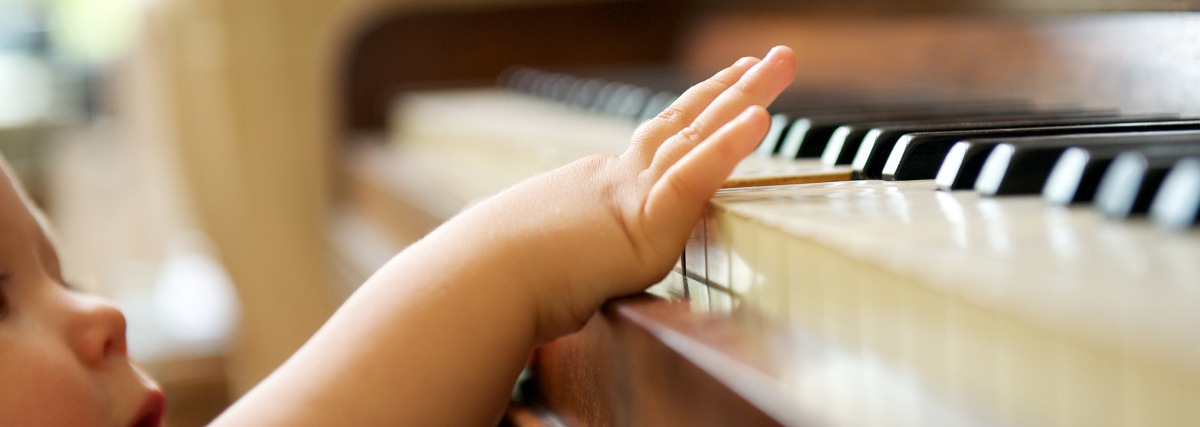
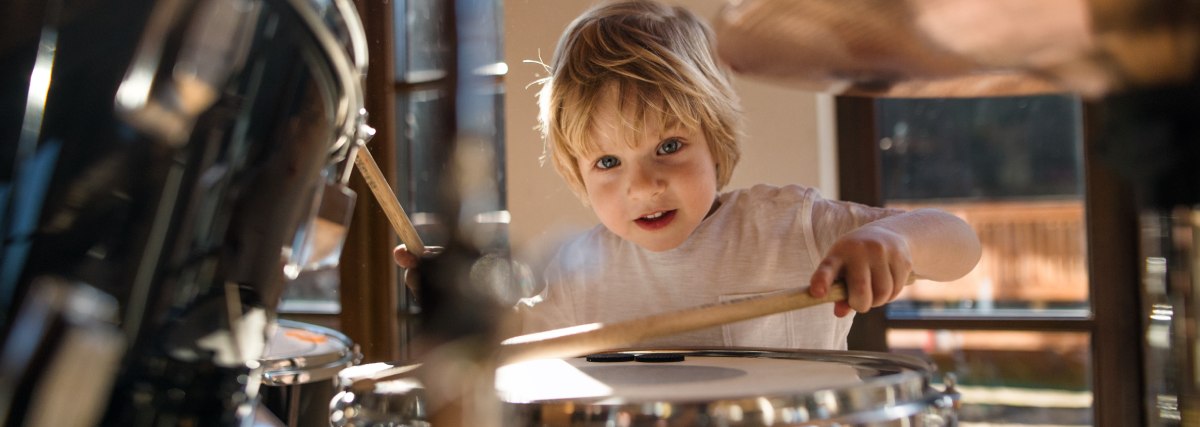
You might notice your child repeatedly pressing piano keys, experimenting with a drum or showing particular interest when watching someone play an instrument.
While trying something once may simply reflect ordinary curiosity, returning to the same instrument repeatedly can suggest a more sustained interest.
Being curious about an instrument does not necessarily mean that a child already possesses the skills to play it.
However, genuine interest can provide valuable motivation for learning.
Parents can encourage this curiosity by offering opportunities to explore age-appropriate instruments in a safe and relaxed environment.
If their interest continues, an introductory music lesson may be a wonderful opportunity to discover whether they would enjoy learning more.
6. Your Child Creates Their Own Songs or Rhythms
Musical creativity can appear long before children understand music theory or know how to read notes.
Some children enjoy making up their own songs, inventing rhythmic patterns or changing the melodies of familiar tunes.
For example, your child might create a little song about their favourite toy, clap an unusual rhythm or invent a different ending to a melody they already know.
These playful experiments are early examples of musical creativity.
Improvisation involves exploring and creating musical ideas rather than simply reproducing something that has already been written or learnt.
It does not require advanced technical ability, and there is no need for every note or rhythm to be perfectly correct.
Parents can encourage creativity by allowing children to experiment freely with sounds and musical ideas.
Listening with interest, rather than immediately correcting mistakes, can help build their confidence and encourage musical imagination.

7. Your Child Responds Emotionally to Different Types of Music
Music can influence children’s emotions, and some children respond particularly strongly to different musical styles and moods.
An energetic song might make them want to dance, while a gentle melody may encourage them to become quiet and attentive.
Some children can even describe how a piece of music makes them feel, recognising whether it sounds happy, sad, exciting or peaceful.
These emotional responses can be influenced by several musical elements.
Tempo refers to the speed of the music and can contribute to a sense of excitement or calm.
Dynamics describe changes in volume, which can add intensity or gentleness to a performance.
Musical expression brings these elements together to communicate different moods and feelings.
Parents can encourage this connection by listening to music with their children and asking how a particular piece makes them feel.
Such conversations can help children become more aware of musical expression and develop a deeper appreciation of music.
However, a strong emotional response to music is not, by itself, proof of exceptional musical talent.
It is simply one of the many ways children can develop a meaningful relationship with music.

8. Your Child Learns Musical Patterns Surprisingly Quickly
Musical patterns are repeated or recognisable sequences of notes, rhythms and melodies.
Some children appear to recognise these patterns quickly and can reproduce them after only a short demonstration.
For example, your child might repeat a simple clapping rhythm after hearing it once or remember a short melody after watching someone play it on the piano.
Recognising musical patterns is an important part of understanding rhythm, melody and musical structure.
It helps children identify familiar sequences and gradually develop their ability to listen, remember and reproduce musical ideas.
However, children learn at different speeds.
While some may pick up a new pattern almost immediately, others need more repetition and encouragement.
Learning quickly is not the only indication of musical potential.
Parents can support this ability through simple call-and-response games, where an adult claps or plays a short rhythm and the child repeats it.
These activities make musical learning interactive, enjoyable and accessible.
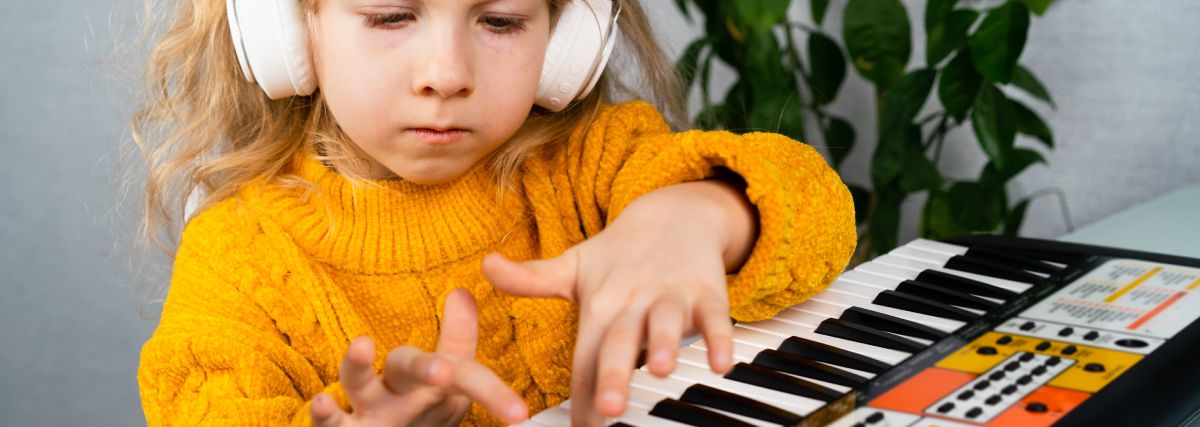
9. Your Child Shows Persistence, Musical Independence and a Desire to Improve
A child’s interest in music becomes particularly meaningful when they show a genuine desire to learn and improve.
Some children will return to a difficult melody repeatedly until they can play it more accurately, while others may listen to a song several times because they want to understand how it is performed.
You might also notice your child recognising a wrong note and attempting to correct it without being prompted.
This growing awareness can reflect persistence, musical independence and motivation.
Persistence is the willingness to keep trying when something feels challenging.
Musical independence involves gradually learning to recognise and correct mistakes, while motivation encourages children to continue developing their abilities.
These qualities are valuable for musical progress, although they do not necessarily indicate natural talent.
Parents can support their child’s enthusiasm by recognising small achievements rather than expecting long practice sessions or immediate results.
With patient encouragement and appropriate guidance, children can develop confidence, independence and a positive attitude towards learning music.
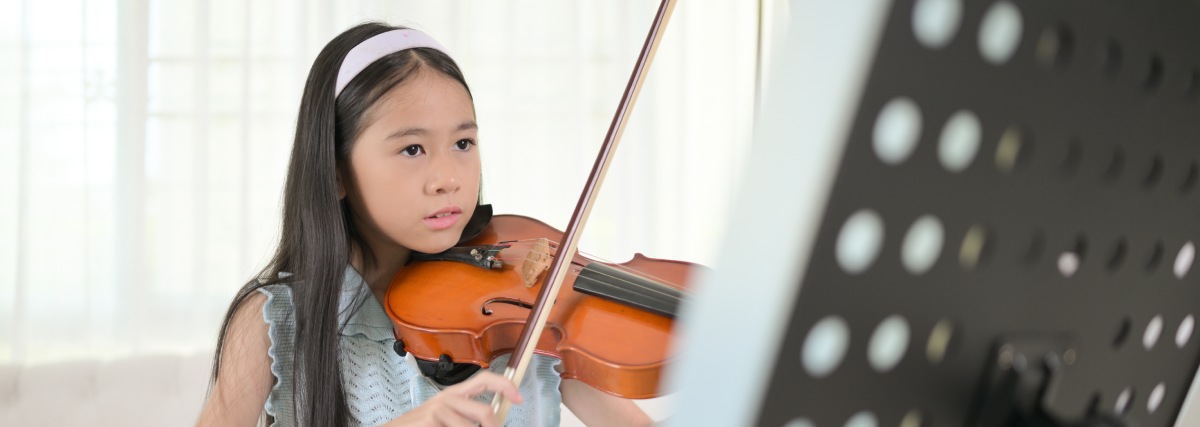
10. Your Child Recognises and Corrects Their Own Musical Mistakes
Some children begin to recognise their own musical mistakes without needing someone to point them out.
For example, your child might notice that a note sounds different from the melody they intended to play and attempt to correct it independently.
This growing awareness involves careful listening, musical memory and the ability to compare sounds.
It can also reflect a developing sense of musical independence, as children gradually learn to evaluate their own playing.
Parents can encourage this skill by allowing children time to recognise and correct mistakes rather than immediately stepping in.
With patience and supportive guidance, they can become more confident and independent in their musical learning.
Conclusion
Early signs of musical potential can appear in many different ways, from a natural sense of rhythm and an ability to remember melodies to musical creativity, curiosity and a desire to improve.
However, none of these behaviours can reliably predict whether a child will become an accomplished musician.
Every child develops at their own pace, and those who show little obvious musical ability at an early age may still develop excellent skills through learning, encouragement and practice.
Rather than comparing children or placing too much importance on identifying natural talent, parents can focus on creating positive musical experiences that encourage curiosity and enjoyment.
Age-appropriate music lessons can provide valuable opportunities for children to explore their interests, develop essential musical skills and grow in confidence.
Ultimately, recognising musical potential is only the beginning.
What matters most is nurturing a child’s love of music and giving them the freedom, encouragement and opportunity to develop it.
Help your child discover the joy of music and grow in confidence with age-appropriate music lessons at S&C Junior.

RELATED POSTS