May 6, 2026
About the Author: S&C Music

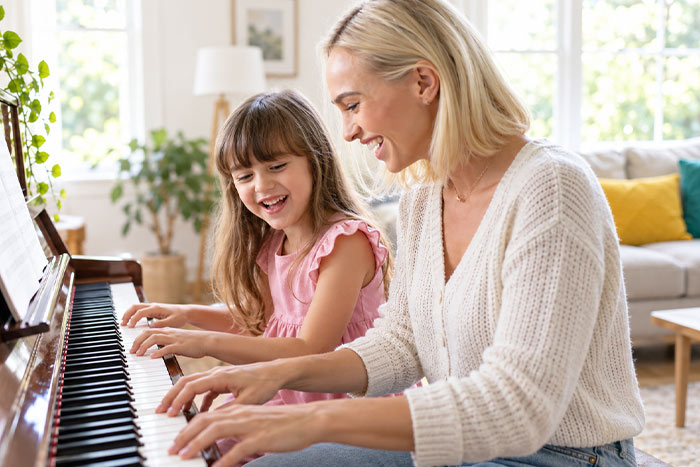
For many children in Dubai, learning the piano can be a wonderful way to develop confidence, concentration, creativity, and a lifelong appreciation for music.
With busy school schedules, multicultural communities, and many extracurricular options available, parents often want to choose an activity that is both enriching and meaningful.
Piano lessons can offer children structure, discipline, and enjoyment, while also giving them a strong foundation in music.
What parents need to know before enrolling a child in piano lessons is that the right start depends on more than choosing an instrument; it also involves finding the right teacher, routine, and learning environment.
Not Every Child Starts Piano In The Same Way
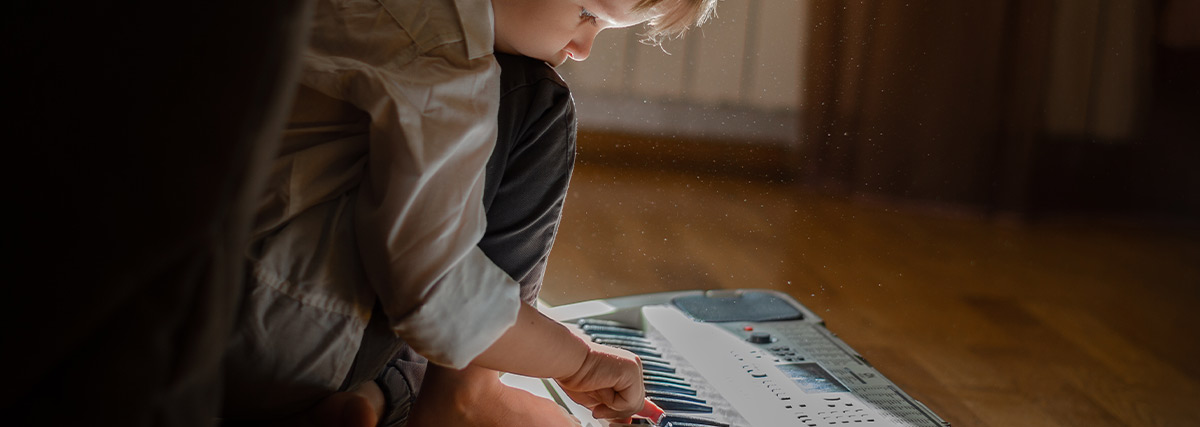
One of the most important things for parents to understand is that children do not all begin piano lessons in the same manner.
Some children are naturally curious about the keyboard and immediately enjoy exploring different sounds.
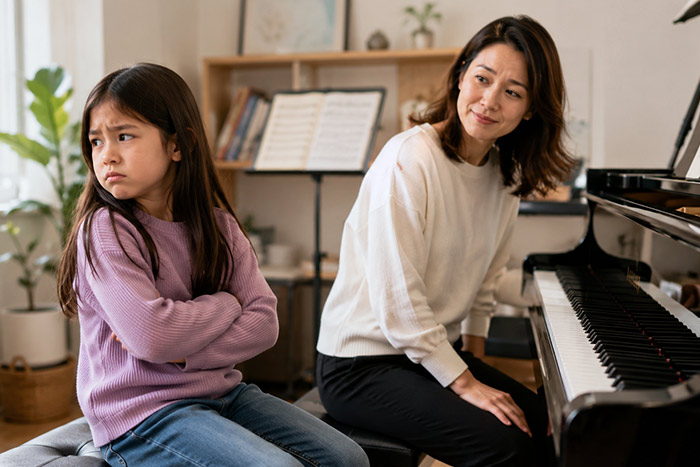
Others need more time, reassurance, and encouragement before they feel comfortable.
This is completely normal.
A child does not need to be perfectly focused, highly disciplined, or musically experienced before starting piano lessons.
What matters most is that the learning experience feels positive, age-appropriate, and encouraging.
For younger children, especially those starting between the ages of 3 and 6, piano lessons should not feel too formal or pressured.
At this stage, the goal is often to build familiarity with the instrument, develop listening skills, improve coordination, and help the child associate music with joy and discovery.
The Teacher Matters As Much As The Instrument
Many parents naturally wonder whether they should buy a piano or keyboard before lessons begin.
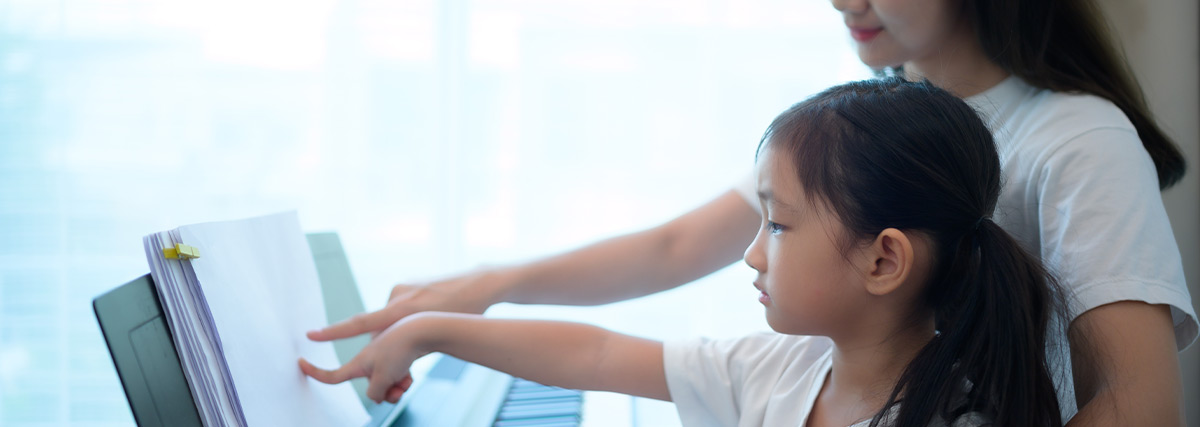
While having an instrument at home is certainly helpful, the teacher is just as important, especially for children.
A good children’s piano teacher does much more than teach notes.
They know how to communicate clearly, keep a child engaged, build confidence, and introduce structure without making the lesson feel intimidating.
The early relationship between a child and their teacher can shape how the child feels about music for many years.
Progress Comes From Routine, Not Pressure
Parents in Dubai often have busy schedules, and children may already have school, homework, sports, and other activities.
The good news is that piano progress does not require extreme practice.
It requires consistency.
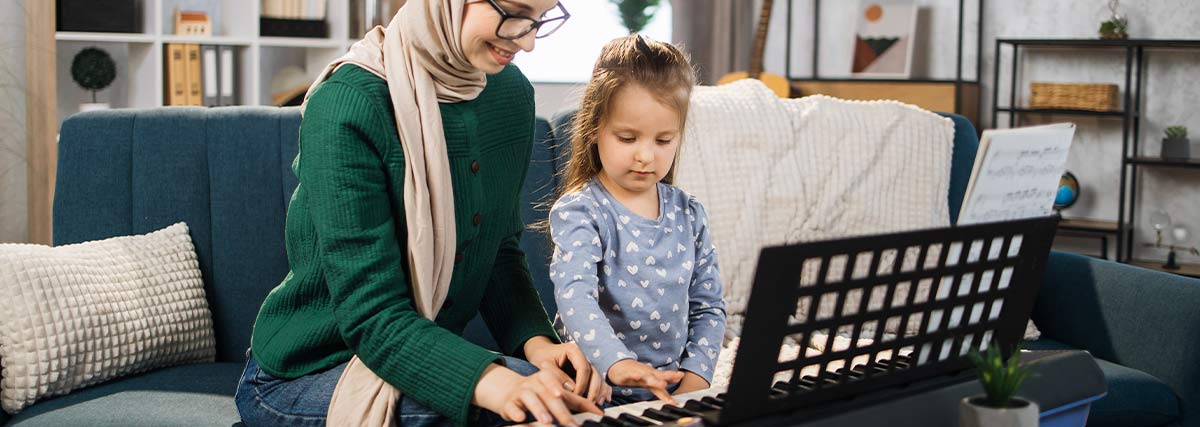
A short, regular practice routine is usually much more effective than long, stressful sessions.
For younger children, even a few focused minutes at a time can make a real difference when done regularly.
Parents should try to create a calm and positive routine at home.
A child is far more likely to enjoy piano practice when it feels like a normal part of the week rather than a punishment or obligation.
Encouragement works much better than pressure.
A Good Piano Lesson Is About More Than Playing Songs
Some parents expect piano lessons to be mainly about learning pieces.
While playing songs is important and motivating, strong piano education includes much more.
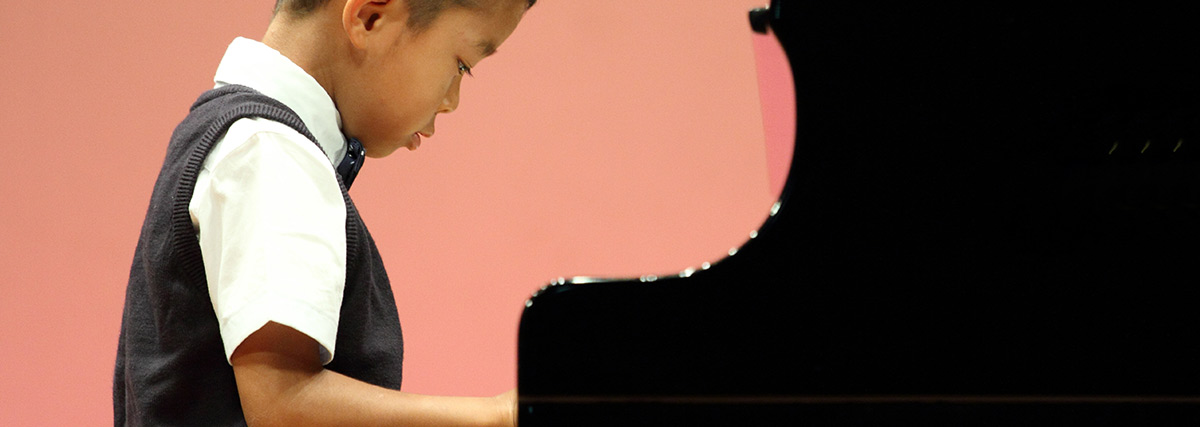
A well-rounded piano lesson may include rhythm, listening, posture, hand position, finger control, note reading, coordination, musical expression, and simple theory.
These skills help children build a strong foundation rather than simply memorising a few tunes.
This balanced approach helps young learners become confident musicians, not just children who can play one or two pieces from memory.
Parents Should Expect Encouragement, Not Instant Results
Learning the piano is a journey.
Some children progress quickly at the beginning, while others take more time to settle into the process.
Both are perfectly normal.
Parents should not worry if their child does not immediately play impressive pieces.
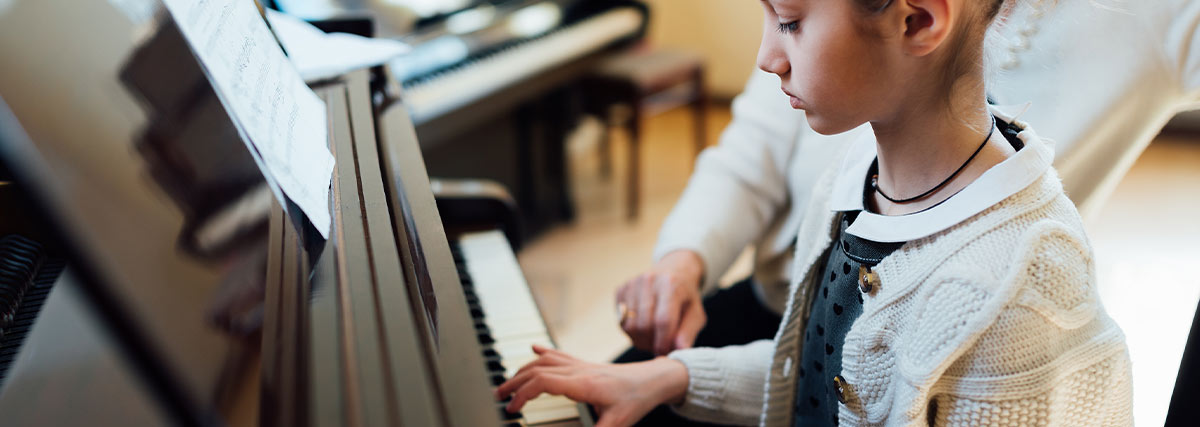
In the early stages, progress may appear in small but meaningful ways: sitting properly at the piano, recognising notes, using the correct fingers, keeping a steady rhythm, or feeling more confident in lessons.
These foundations matter greatly.
A child who develops patience, focus, and musical curiosity is building something far more valuable than a quick result.
The Learning Environment Makes A Real Difference
For children, the learning environment is extremely important.
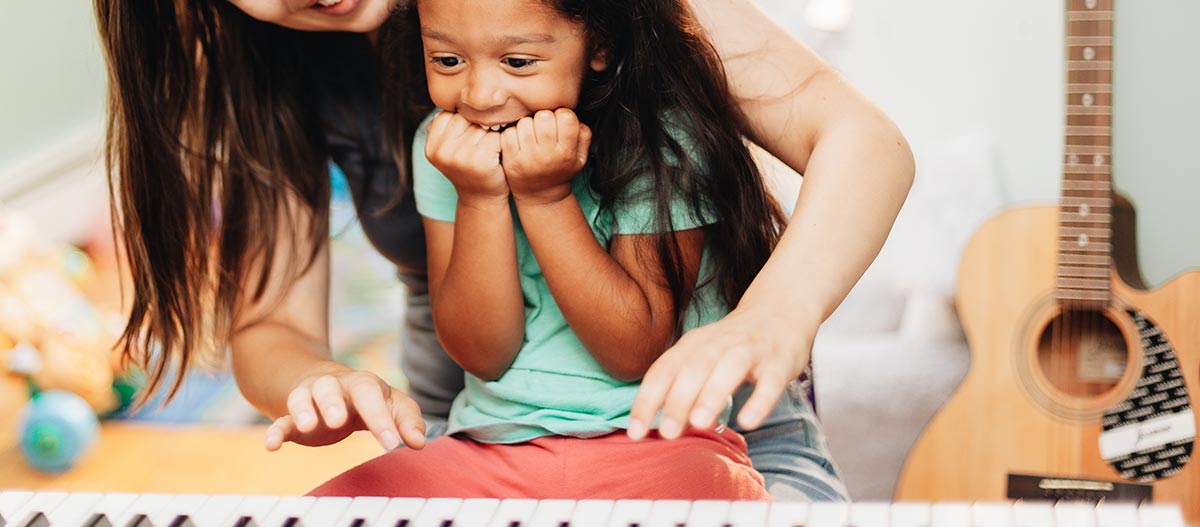
A welcoming and well-organised setting can help a child feel safe, focused, and excited to learn.
This is particularly relevant for families in Dubai who are looking for a structured and professional music education rather than a casual lesson arrangement.
Children often respond better when lessons take place in a dedicated environment where music feels important, enjoyable, and inspiring.
Exams Can Be Helpful, But They Are Not The Only Goal
Some parents enrol their children in piano lessons with the aim of taking ABRSM or Trinity examinations.
Exams can be very useful because they provide structure, goals, and a clear sense of achievement.
However, exams should not be the only reason a child learns piano.
Music should also help children develop creativity, confidence, expression, discipline, and enjoyment.

Final Thoughts
Before enrolling a child in piano lessons in Dubai, parents do not need to know everything about music.
What matters most is choosing the right environment, the right teacher, and the right approach for the child.
At S&C Junior, piano lessons for children in Dubai are designed to help young learners build confidence, technique, musical understanding, and enjoyment in a supportive setting.
With patient guidance, regular lessons, gentle practice, and a positive atmosphere, piano can become much more than a weekly activity.
It can give children discipline, creativity, focus, and a meaningful relationship with music that may stay with them for many years.

RELATED POSTS