September 20, 2026
About the Author: S&C Music

When the school term becomes busy, even enjoyable activities can begin to feel like additional obligations. Homework increases, assessments approach, after-school clubs fill the calendar and family routines become more demanding.
In Dubai, where travel times and packed weekly schedules can add another layer of pressure, parents may wonder whether music lessons are simply too much for their child.
Understanding how to keep music lessons enjoyable during a busy school term can help families maintain a healthy balance. Usually, the answer is not to stop music, but to adjust the way it fits into family life.
Music can offer children something particularly valuable during a demanding term: a creative break from academic work, a chance to express themselves and the satisfaction of improving at a skill that is entirely their own.
The key is to protect that enjoyment.
With realistic expectations and a flexible approach, children can continue making musical progress without feeling overwhelmed.

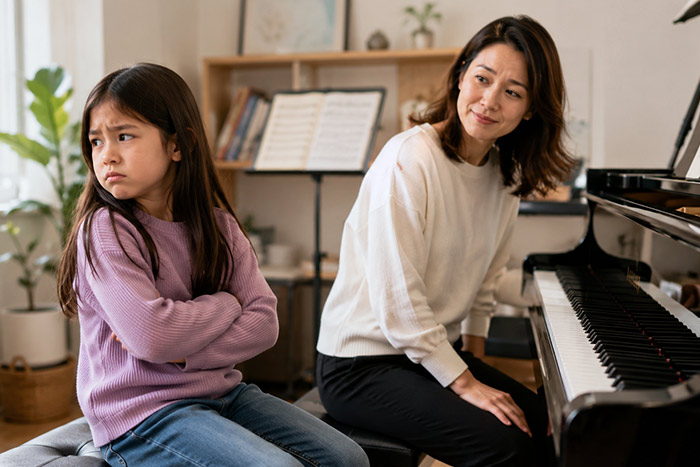
Remember That Music Should Feel Different from School
Music lessons involve concentration, discipline and regular practice, but they should not feel like another academic subject.
A child who has spent the day following instructions, completing assignments and preparing for tests may not respond well to another hour of pressure at home.
Try to preserve music as a positive change of pace.
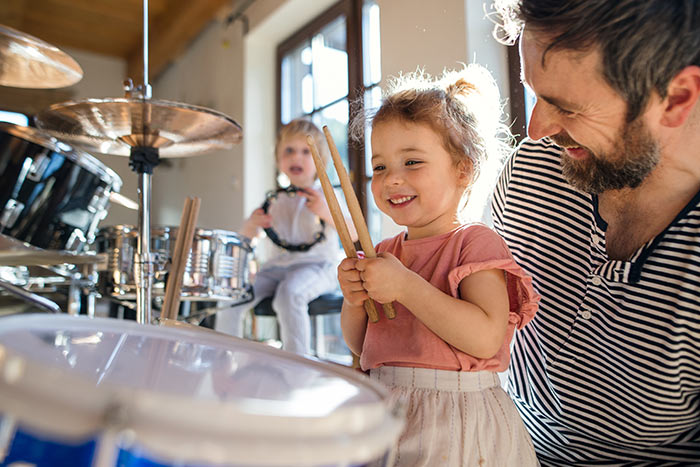
Playing the piano, singing, strumming a guitar or exploring a new rhythm on the drums can help a child move out of “school mode”.
It engages the mind, but in a creative and expressive way.
This does not mean that lessons should lack structure.
Children still benefit from clear goals and thoughtful guidance.
However, the atmosphere surrounding music matters.
If practice is presented as a welcome musical moment rather than another task to complete, children are more likely to approach it with curiosity.

Make Music Part of the After-School Routine
During a busy school term, a short practice session is often far more useful than an ambitious plan that never happens.
Parents sometimes imagine that meaningful progress requires a long period of daily practice.
For many children, particularly beginners, this is unnecessary.
Ten focused minutes may be enough to revisit a new idea, play through a favourite piece or practise one difficult passage.
Younger children may benefit from even shorter sessions.
The aim is to make starting feel easy.
A child who is asked to practise for forty minutes may delay because the task feels too large.
The same child may happily sit down for ten minutes and then continue because they are enjoying themselves.
On especially busy days, encourage a “minimum musical moment”.
This could mean playing one scale, singing through one song or repeating four bars slowly.
A small amount of contact with the instrument maintains familiarity and keeps the routine alive.
Practice is easier to sustain when it has a natural place in the day.
Rather than waiting for a completely free hour that may never become available, incorporate music into an established part of your child’s routine.
A child might practise for ten minutes after arriving home and having a snack, before beginning homework.
Another may prefer to play after dinner as a way to unwind.
For some families, weekend mornings offer the calmest opportunity.
The best time is not the same for every child.
Notice when your child has the most energy and patience.
Scheduling practice immediately after a tiring school day may work for one child but be completely unsuitable for another.
In Dubai households with busy commutes and several after-school activities, it can help to identify two or three realistic practice windows each week rather than insisting on the same routine every day.
Consistency is valuable, but it does not have to be rigid.
Let Your Child Have Some Choice
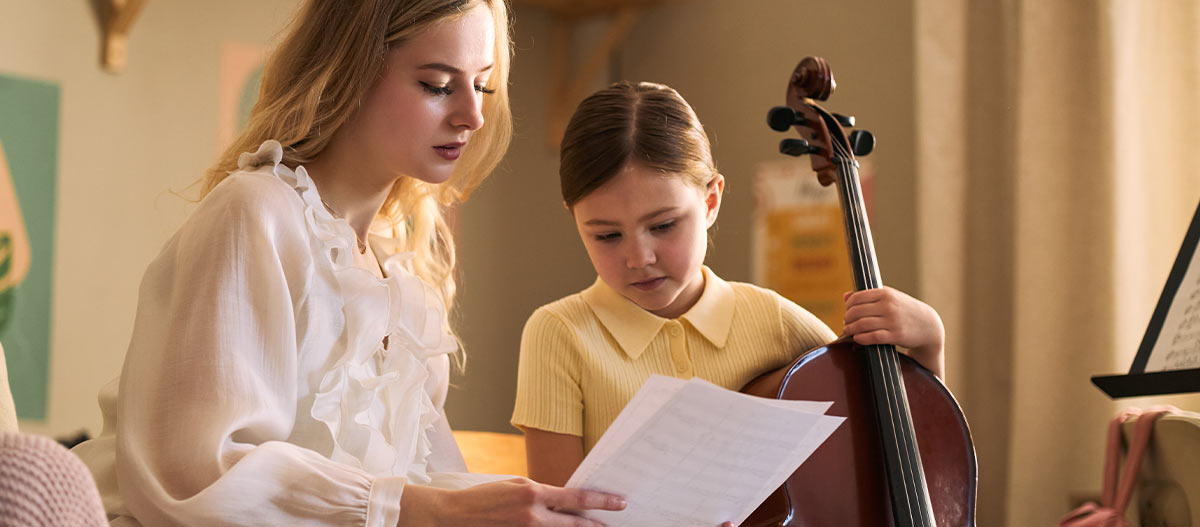
Children are more motivated when they feel involved in their learning.
During demanding periods, small choices can prevent music from becoming something that is always decided for them.
You might ask:
- “Would you like to practise before or after dinner?”
- “Shall we begin with your new piece or your favourite one?”
- “Would you like me to listen, or would you prefer to play on your own?”
These are simple choices, but they give a child a sense of ownership.
The lesson and practice still take place, while the child has some control over how they approach them.
Musical choice is equally important.
A good teacher will balance essential skills with repertoire that reflects the child’s age, personality and interests.
Classical pieces, film music, popular songs, improvisation and musical games can all have a place in a well-rounded education.

Focus on Connection, Not Correction
Parents do not need to be musicians to support their child.
In fact, one of the most helpful things a parent can do is simply show interest.
Ask what your child enjoyed in the lesson.
Invite them to play something they like.
Notice a rhythm that has become steadier or a melody that sounds more confident.
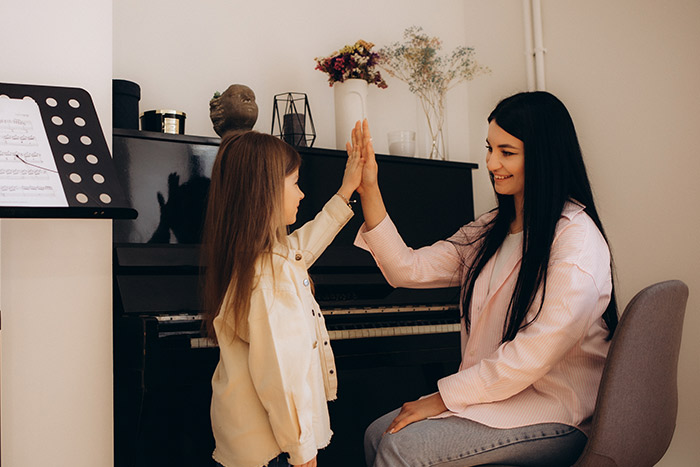
Positive attention strengthens the connection between music and enjoyment.
Constant correction, even when well intentioned, can have the opposite effect.
If every practice session becomes a discussion about wrong notes, posture or unfinished tasks, a child may feel that their efforts are never enough.
Technical guidance is best led by the teacher.
At home, parents can concentrate on creating a calm environment, encouraging regular contact with the instrument and recognising effort.
Instead of saying, “That note was wrong again,” try, “You kept going through that difficult section,” or, “That sounded more confident today.”

Adjust Expectations and Protect Time for Rest
Children cannot give the same amount of energy to every activity throughout the year.
During examination periods, major school projects or particularly demanding weeks, musical expectations may need to change temporarily.
Reducing practice for a short period does not undo previous progress.
It is often more constructive to maintain a light, enjoyable connection with music than to insist on a demanding routine that creates frustration.
Let the music teacher know when school is especially busy.
The teacher may adapt the lesson by reviewing familiar material, dividing a larger goal into smaller stages or including more creative activities.
This allows the child to keep learning while respecting their current capacity.
The important distinction is between adjusting the pace and abandoning the routine altogether.
A gentler week can be healthy.
A complete break every time life becomes busy can make returning feel much harder.
Sometimes reluctance to practise is not a lack of commitment; it is simply tiredness.
A child who is consistently exhausted may need fewer activities, an earlier bedtime or an evening without structured tasks.
Parents should look at the whole schedule.
If every afternoon is filled, the answer may not be to push harder but to create some breathing room.
Children learn more effectively when they are rested, and they are more likely to enjoy music when they have enough mental and emotional space for it.
Rest and progress are not opposites.
A balanced routine supports concentration, creativity and long-term motivation.

Celebrate Progress without Expecting Perfection
Progress in music is not always dramatic.
It often appears in small changes: a smoother transition between chords, a more secure rhythm, improved breath control or the confidence to begin without assistance.
These moments deserve recognition.
When a school term is busy, children may already feel evaluated by marks, deadlines and comparisons.
Music can provide a different kind of achievement; one based on personal growth.
Try not to make rewards dependent only on completing an entire piece, passing an examination or performing in public.
Celebrate concentration, persistence and willingness to try again.
This helps children understand that progress is a process rather than a single result.
Recording a piece occasionally can also be encouraging.
When children listen back several weeks later, they can hear improvements that may have been difficult to notice from day to day.
Practice is where mistakes are supposed to happen.
Children need space to experiment, repeat and sometimes make sounds that are not yet polished.
If a child believes every attempt must be correct, they may avoid challenging passages or become upset when improvement is not immediate.
Remind them that struggling with something new is a normal part of learning.
Even accomplished musicians work slowly, isolate difficult sections and repeat them many times.
An enjoyable practice session does not have to end with everything mastered.
It can end with one small improvement, a useful discovery or simply a better understanding of what to try next.

Include Music beyond Formal Practice
Musical development does not happen only while a child is practising.
Listening to music in the car, attending a family concert, clapping rhythms together or discussing instruments heard in a song can all keep musical curiosity alive.
For younger children, playful activities are particularly effective.
They might invent a melody, create a rhythm using household objects or perform a short concert for the family.
Older children may enjoy building a playlist, learning part of a favourite song or recording their own musical ideas.
Dubai offers families exposure to a wide range of cultures and musical traditions.
Exploring different styles; from Western classical music and jazz to Arabic music and contemporary songs; can help children see music as a living part of the world around them, rather than something that exists only inside a lesson room.
Communicate with the Music Teacher
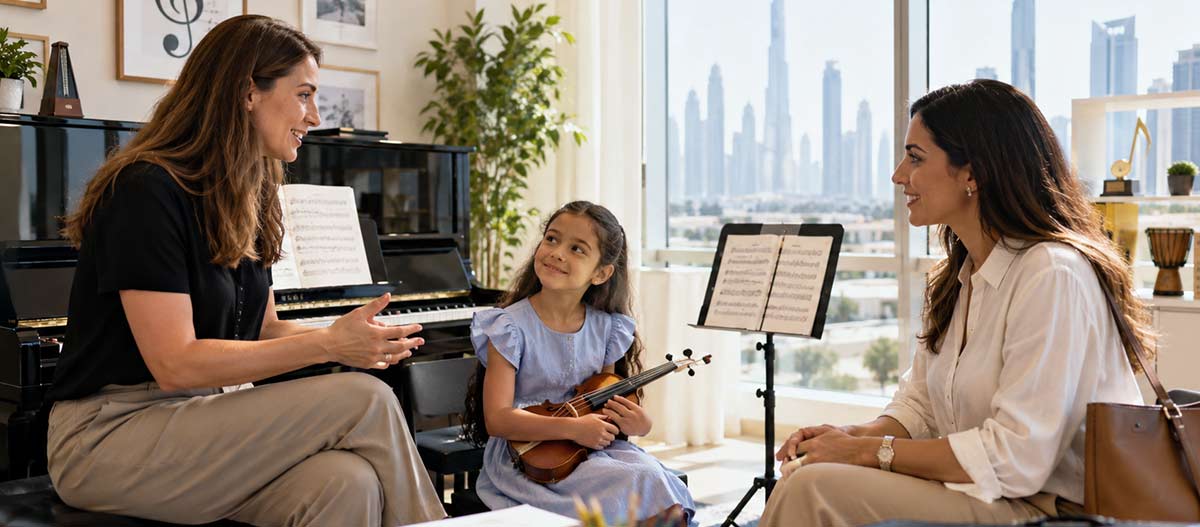
A strong relationship between parents and the music teacher can make a significant difference.
Teachers should know if a child is struggling with workload, losing confidence or finding a particular piece discouraging.
This information allows the teacher to respond thoughtfully.
They may adjust the repertoire, change the practice goal or introduce a new activity that restores interest.
Equally, teachers can help parents understand what level of practice is realistic for the child’s age and stage of learning.
Open communication is particularly important when a child says they want to stop.
This feeling may reflect a temporary challenge rather than a genuine loss of interest.
A difficult piece, an upcoming school assessment or simple fatigue can all influence how a child feels in the moment.
Before making a final decision, it is worth exploring what has changed.
Music education develops valuable qualities such as patience, focus, coordination and self-discipline.
Yet these benefits are most likely to last when a child also enjoys the experience.
During a busy school term, success does not have to mean rapid progress or perfect practice every day.
It may mean attending lessons consistently, practising in small amounts, staying curious and continuing to feel pleased when music begins.
At S&C Music Junior, we believe that children learn best when high-quality teaching is combined with warmth, encouragement and realistic expectations.
Our music lessons for children in Dubai are designed to help young musicians develop strong skills while building confidence and a genuine love of music.
With the right balance, music does not need to become another source of pressure. It can be the part of a busy week that your child looks forward to most.

RELATED POSTS